A Glimpse Into the Past

Step back in time with a selection of historic photographs of the exterior of St Mary Magdalene’s, capturing how its surroundings have changed over the years yet the church itself endures as a presence in the community.

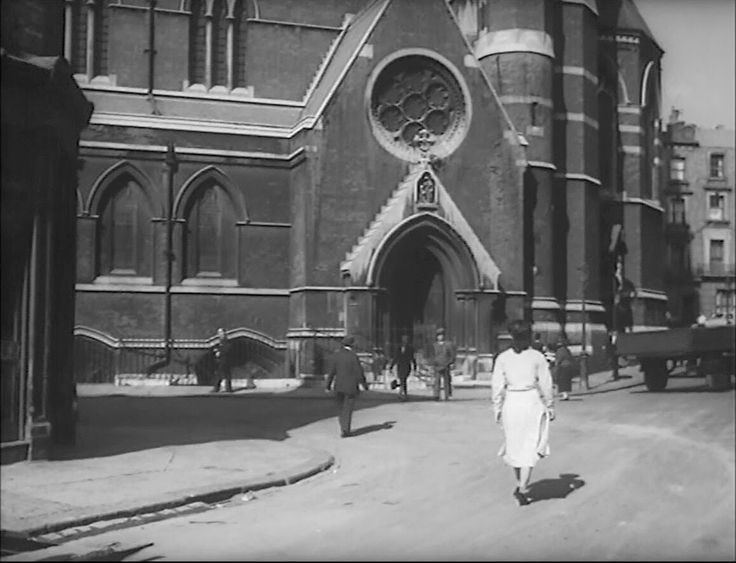
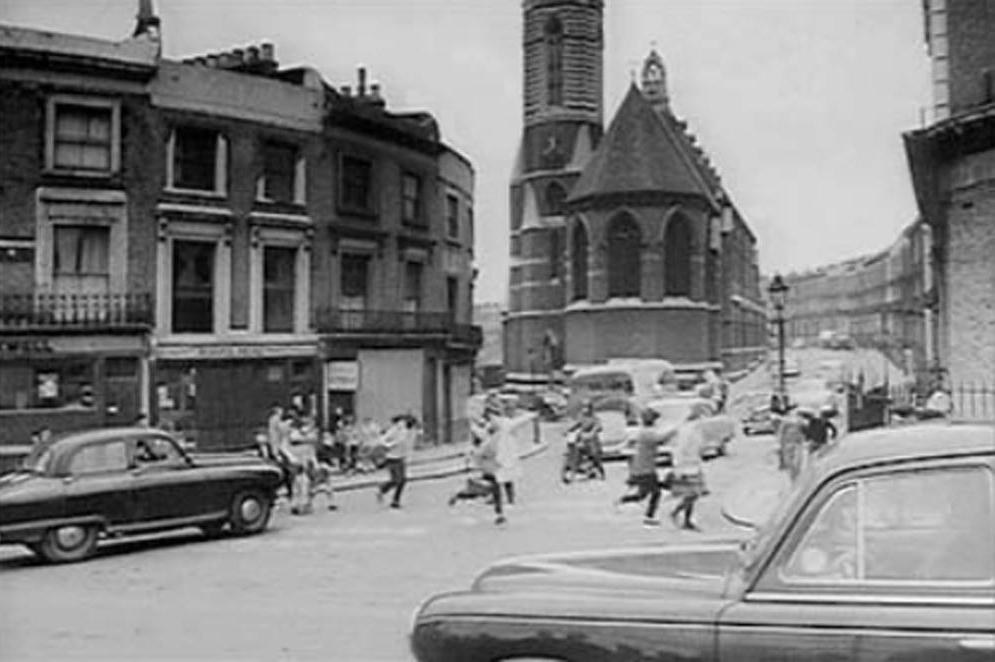
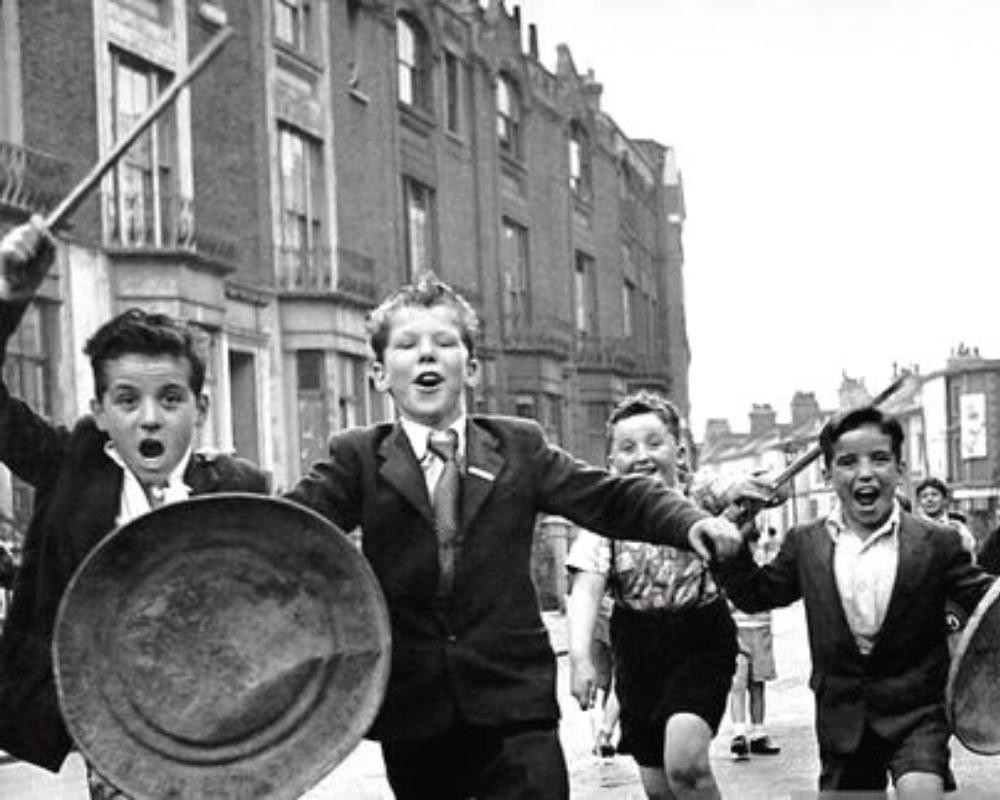
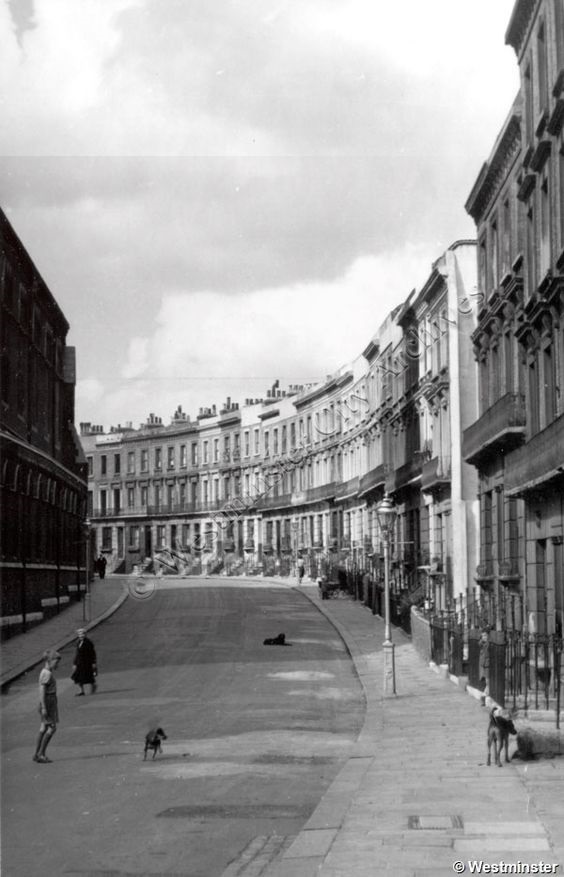
Before re-development in the 1960s, St Mary Magdalene’s Church in Paddington was tightly hemmed in by rows of Victorian terraces, particularly along Clarendon Street and Clarendon Crescent, whose back gardens backed directly onto the Grand Union Canal running behind the church. These houses and streets once formed a densely packed, working-class neighbourhood just steps from the church.

In 1957 the London County Council bought 206 properties from the borough council and 266 from the Church Commissioners in the streets surrounding the church. The demolitions, intentionally aimed at ‘slum’ clearance, affected 6,700 residents. By 1962 nearly all those terraced homes had been demolished and replaced by the newly built Warwick Estate – nearly 1,500 new homes – transforming the church’s surroundings into open, landscaped spaces beside the canal.

Some families moved into the new blocks. Many took the offer of more space outside London instead, and a great number went to Slough.

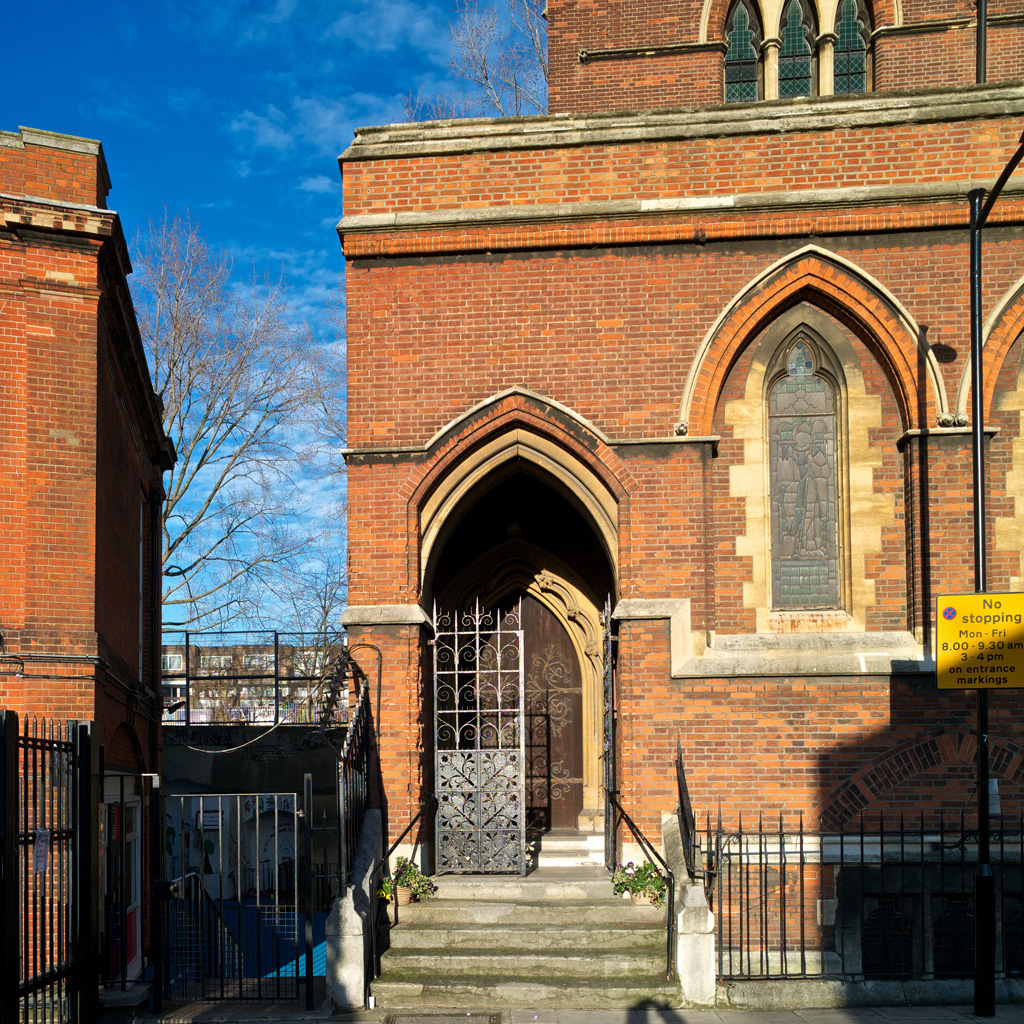
The church is the only thing in these photographs still standing where it was.

Tap a hotspot to bring up the historic photograph taken from where you’re standing.

[hotspot area]
Living Heritage

Since 2017, Grand Junction’s Heritage Volunteers have been uncovering the history of the building and the wider Paddington area through archival research, oral history interviews and personal stories. Their work has taken many forms, from podcasts and video essays to research articles and other resources.

Explore Paddington’s past through the voices, memories and perspectives of the people who have helped bring its history to life

A Hidden Star of the Big Screen

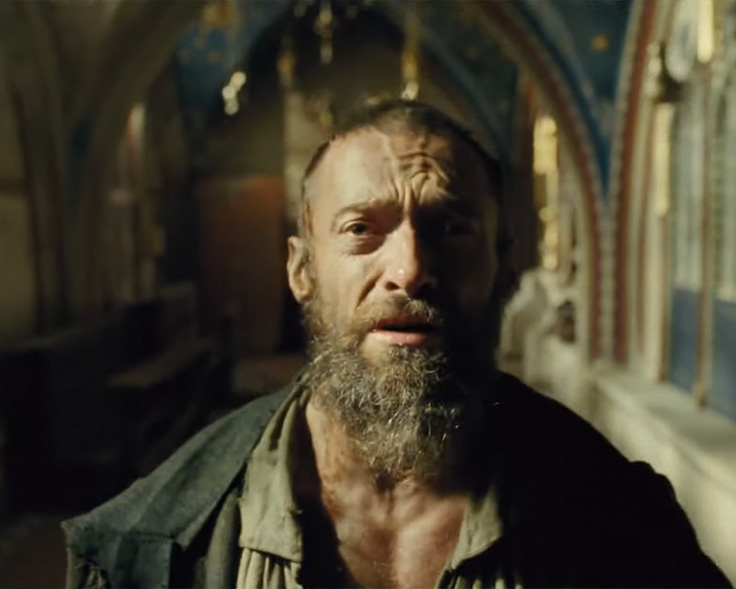
In the 2012 ‘Les Misérables’ film starring Hugh Jackman, there is a pivotal early scene set in a small chapel where Jean Valjean, having been taken in by a compassionate priest, is forgiven for stealing, leading him to vow to change his life. This sequence was filmed here in St Sepulchre’s Chapel and captures Valjean’s moment of spiritual transformation.


Over the years the chapel has been a favourite of film-makers – from ‘Les Misérables’ to ‘St Trinian’s’ via John Betjeman and Miss Marple. St Mary Magdalene’s has also appeared in Wonder Woman, Lewis, Silent Witness, Little Dorrit and Humans, in music videos and student productions, and once on a Valentine’s cover for Kerrang magazine.

Alison Low Madigan went looking for the church’s screen appearances and found more than anyone expected.

St Mary Magdalene’s Church on Film – podcast by Alison Low Madigan, Heritage Pioneer Volunteer

Listen to the Medieval Music

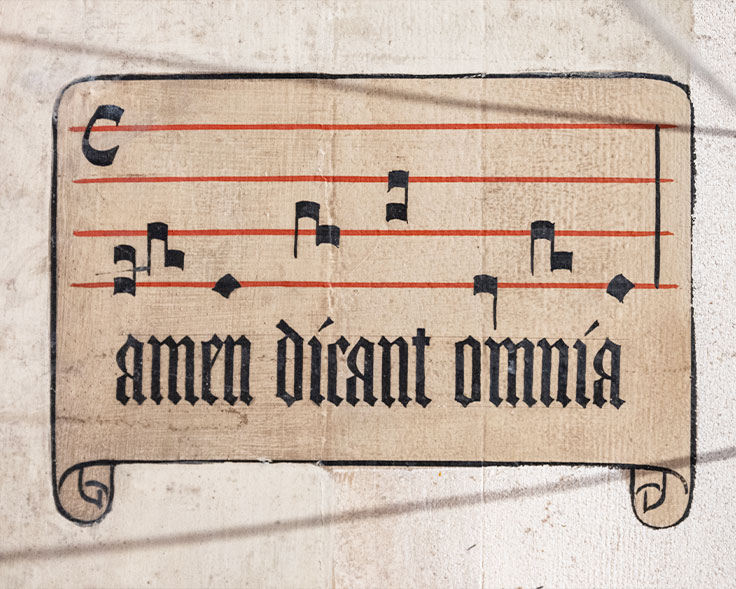
Lining the chapel walls is music for Easter Day and for the feast of St Mary Magdalene, celebrated on 22 July each year.

The earliest forms of musical notation are called neumes and date back to around the 9th century. They were used to guide the singing of plainchant or Gregorian chant, usually performed by monks and choirs in medieval churches and monasteries. Instead of precise notes, neumes indicate the melodic direction, showing whether the tune rises, falls, or stays steady. Sung in unison, these chants created a calm, spiritual atmosphere that shaped worship for centuries.

Modern Use

A short film showing the building in use across a typical week.

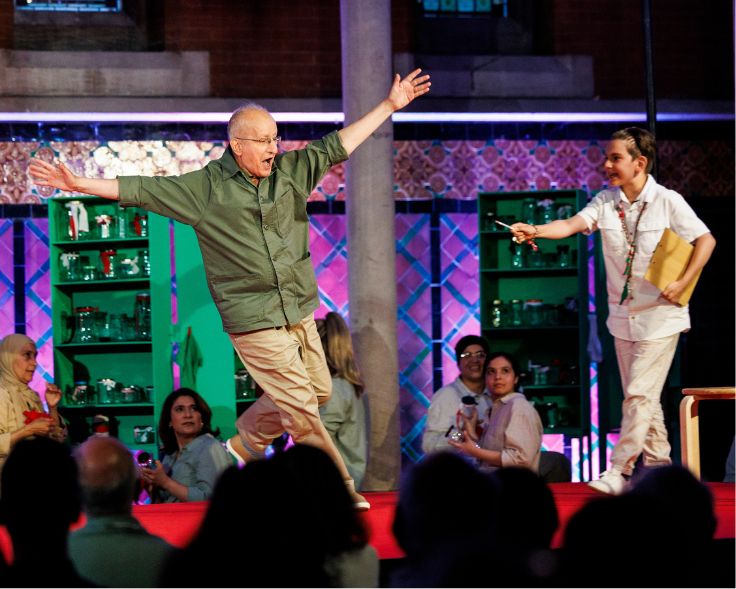
Grand Junction is a vibrant multi-arts venue and community culture hub based in St Mary Magdalene’s church. We present a year-round programme of music, arts, and heritage for young people, families, and adults.

Grand Junction opened in 2019 following the restoration of the church by local charity Paddington Development Trust, with support from the National Lottery Heritage Fund and the help of volunteers and our local community.

As part of the project, a beautiful new building, designed by Dow Jones Architects, was added next to the church, and is home to our café, studio, and visitor facilities.

The nave has no fixed seating, which is why it can hold a concert one night and yoga or our zumba class the next. By having no pews the space works on the same principle the church was built on in the 1860s, a place for the community.